Art Criticism
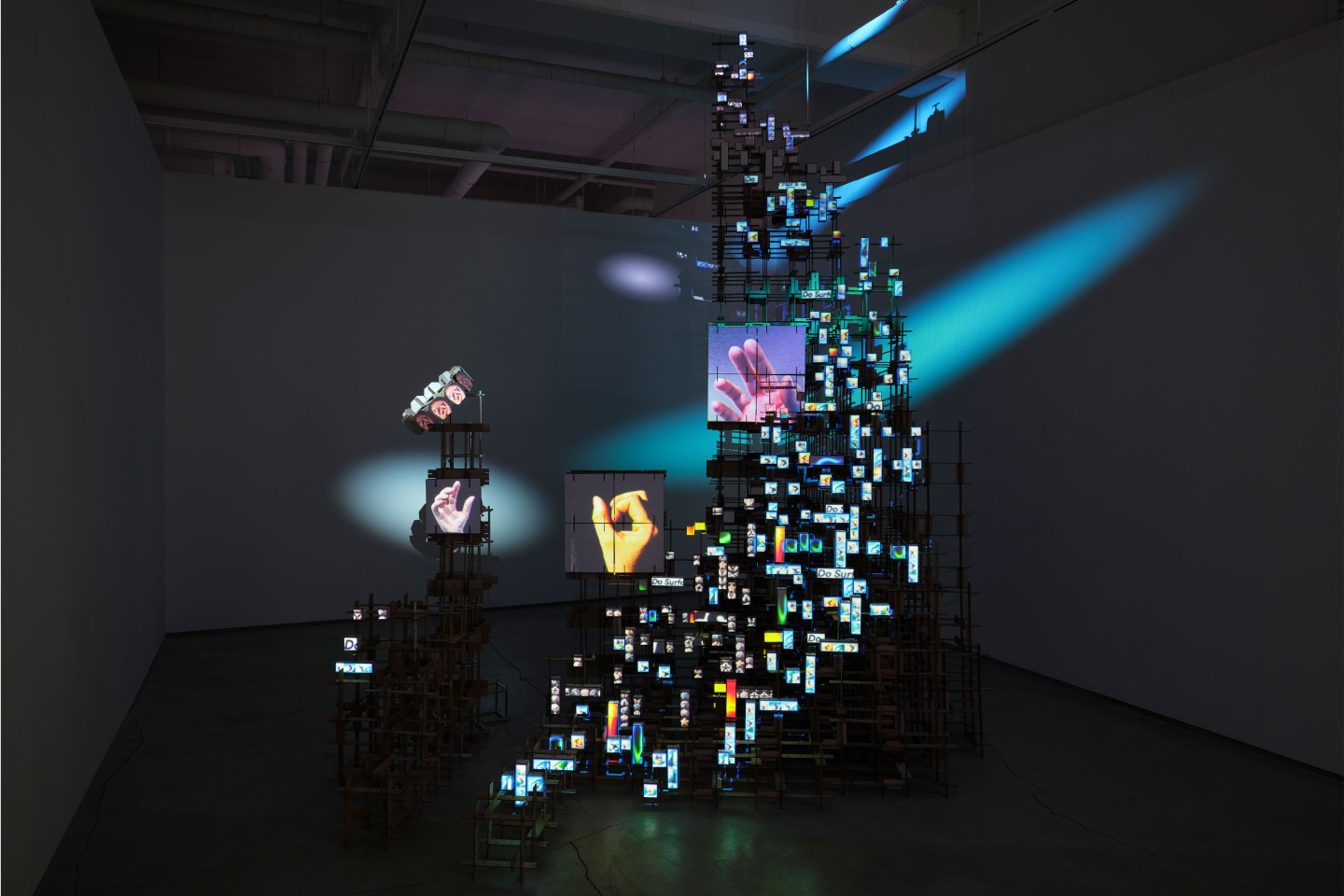
The Internet Barnacles
Yehwan Song Solo Exhibition, G Gallery, 2025
The traces of data we leave behind gradually anchor us even more firmly to the platform, and we are slowly consumed by the system’s value-extraction process. Song’s work raises the question: Are users like the barnacles passively attached to the systems shaping their lives, or can they, like barnacles in dynamic ecosystems, adapt and assert their subjectivity? And what of the platforms? Are they immutable, massive structures, or can they be scraped off, reimagined, and reclaimed? [...] If we were to “shed the rocks and barnacles” and “ascend boldly toward the light,” what could be possible? [...] The remaining question is not how to escape completely from digital conditions, but how we maintain our soul while acknowledging our inescapable entanglement with the systems that sustain and constrict us.
Yehwan Song Solo Exhibition, G Gallery, 2025
The traces of data we leave behind gradually anchor us even more firmly to the platform, and we are slowly consumed by the system’s value-extraction process. Song’s work raises the question: Are users like the barnacles passively attached to the systems shaping their lives, or can they, like barnacles in dynamic ecosystems, adapt and assert their subjectivity? And what of the platforms? Are they immutable, massive structures, or can they be scraped off, reimagined, and reclaimed? [...] If we were to “shed the rocks and barnacles” and “ascend boldly toward the light,” what could be possible? [...] The remaining question is not how to escape completely from digital conditions, but how we maintain our soul while acknowledging our inescapable entanglement with the systems that sustain and constrict us.
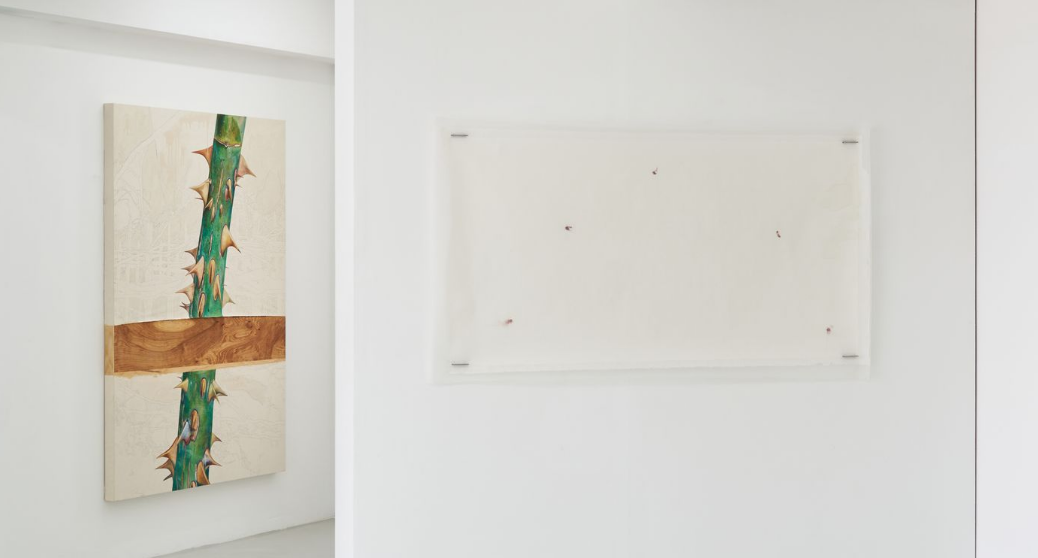
흔 (痕, heun):Variations of Subtraction and Addition in the Grammar of Traces
Heun, two-person exhibition, Ian Ha and Sven Teufer, Pipe gallery, 2025
Like two poems written in different languages contemplating the same theme, their works intersect in a shared space, where ‘addition’ and ‘subtraction’ leave marks—each becoming a mirror for the other. [...] What remains is an emptiness, or more precisely, 'a space not equivalent to the total absence of everything, but one imbued with presence.' In this sense, the candle exists as an ‘activated void’, a space that breathes.
Heun, two-person exhibition, Ian Ha and Sven Teufer, Pipe gallery, 2025
Like two poems written in different languages contemplating the same theme, their works intersect in a shared space, where ‘addition’ and ‘subtraction’ leave marks—each becoming a mirror for the other. [...] What remains is an emptiness, or more precisely, 'a space not equivalent to the total absence of everything, but one imbued with presence.' In this sense, the candle exists as an ‘activated void’, a space that breathes.
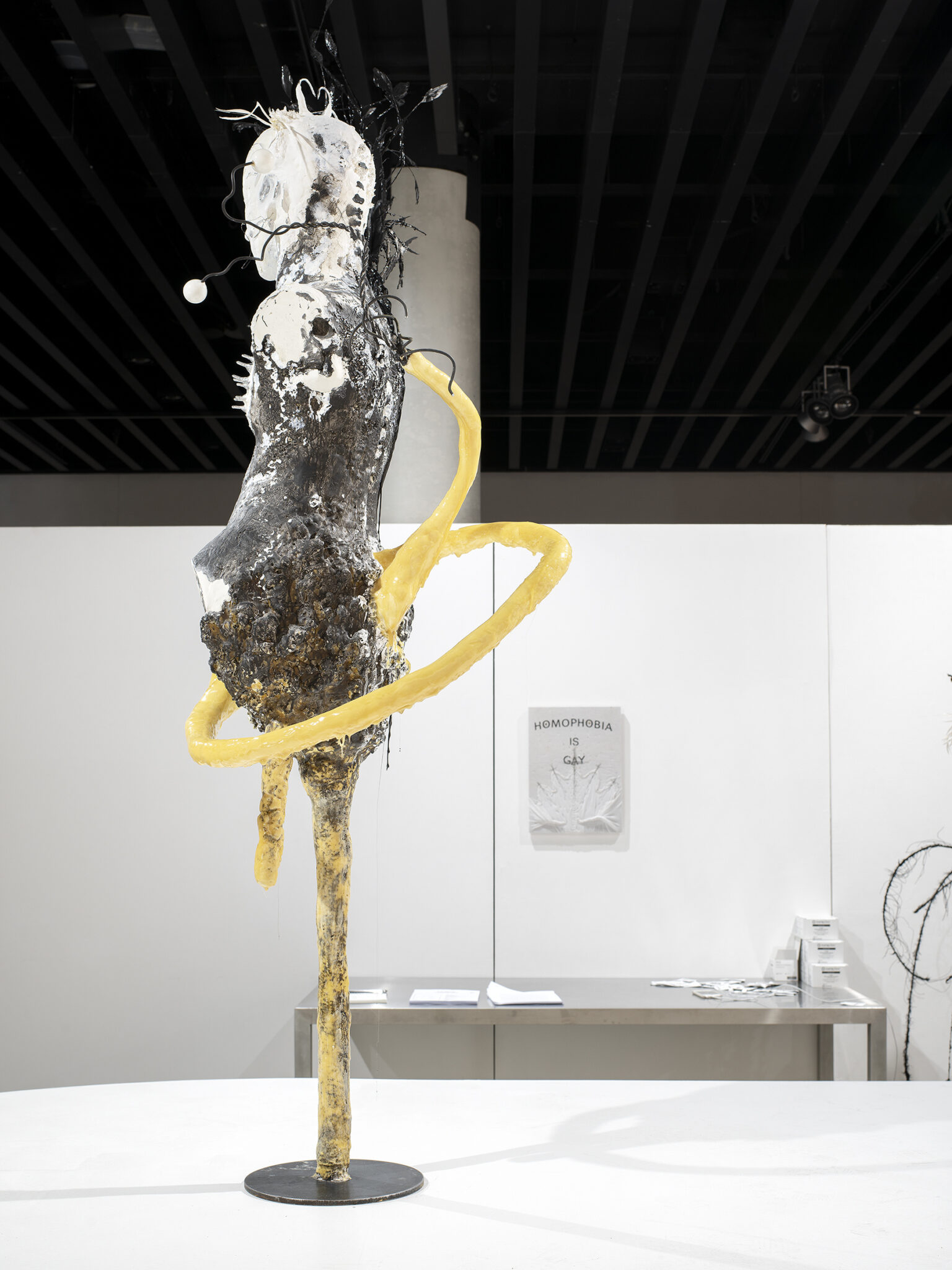
Autosuggestion, Self-Affirmation, Self-Splitting, and Being
On Cho LeeSop’s Works, Seongbuk Young Art Space (SMA), 2023
Rosetta and Leesop oscillate between me and you, and I speak to you again, and you speak to me again, and in this oscillation, this autosuggestion, this self-affirmation, this arrival at the end of the self-divisive loop—if there is such a thing as God or gravity here—that “I will no longer fall into the pit, and I, you, we will now live a normal life.” [...] That transition, from the sharpness of sculptural language to blurry arrangements of warm colors, seemed to diminish further agony, comfortably treading a path along the border of mourning. Or did it? I couldn’t inquire about it. Rather than oscillating between self-insinuation, affirmation, and the fragmented self, it seemed to be a direction and shape extending beyond the trajectory of that vortex. Was it like the scene beyond the ending frame of Rosetta (1999), dropping the heavy gas tank meant for suicide, sitting on the floor, crying profusely, where the figure of Riquet appears behind weeping Rosetta? Has he now begun rearranging his relationship with himself and the world to continue his life? Has Leesop(s) who continually proved their existence now moved beyond ‘existing’ to ‘creating/becoming?’
On Cho LeeSop’s Works, Seongbuk Young Art Space (SMA), 2023
Rosetta and Leesop oscillate between me and you, and I speak to you again, and you speak to me again, and in this oscillation, this autosuggestion, this self-affirmation, this arrival at the end of the self-divisive loop—if there is such a thing as God or gravity here—that “I will no longer fall into the pit, and I, you, we will now live a normal life.” [...] That transition, from the sharpness of sculptural language to blurry arrangements of warm colors, seemed to diminish further agony, comfortably treading a path along the border of mourning. Or did it? I couldn’t inquire about it. Rather than oscillating between self-insinuation, affirmation, and the fragmented self, it seemed to be a direction and shape extending beyond the trajectory of that vortex. Was it like the scene beyond the ending frame of Rosetta (1999), dropping the heavy gas tank meant for suicide, sitting on the floor, crying profusely, where the figure of Riquet appears behind weeping Rosetta? Has he now begun rearranging his relationship with himself and the world to continue his life? Has Leesop(s) who continually proved their existence now moved beyond ‘existing’ to ‘creating/becoming?’
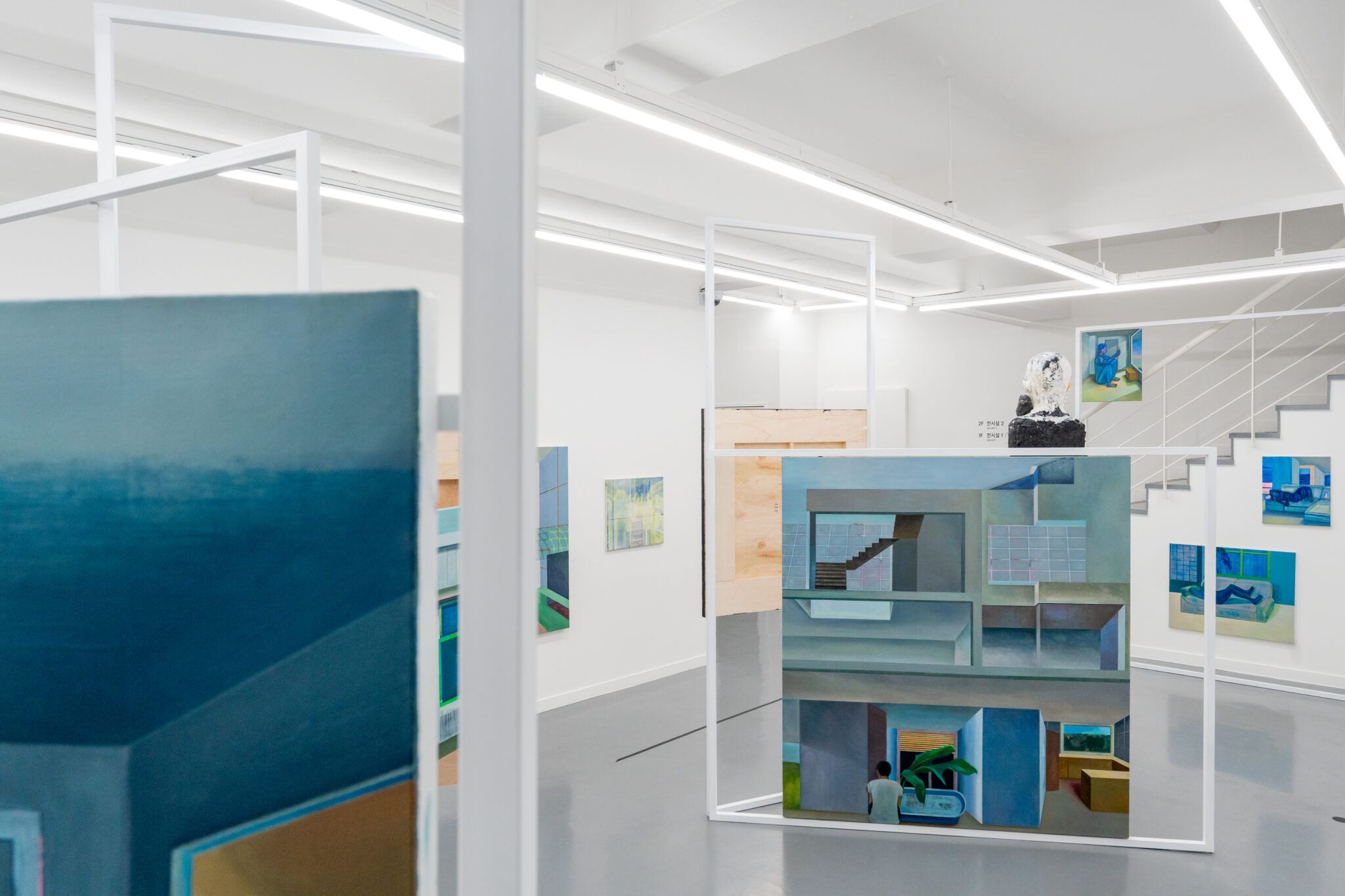
Typologies of Emotion and Place
On Ellie Choi’s Paintings, Seongbuk Young Art Space (SMA), 2023
Her reproduced images represent neighboring visuals tied to specific emotions, sensations, and locations. The fact that these ‘adjacent images’ are characterized by typical features contradicts the fact that she has lived in four different countries. It’s intriguing that these images don’t reflect the specific geographic or cultural attributes commonly associated with ‘diasporic’ immigration; they neither directly express nor provide clues about geographical or physical features. The canvas is more focused on the internal world than the external reality, depicting a reflection on the artist’s detachment of self in the changing landscapes of time and space, exploring the artist’s transition and tension between reality and composition. Through this tension, the artist summons emotions and sensations associated with specific places they had, once upon a time, in their own canvas, releasing something flowing within their stream of consciousness—it might be melancholy or any other emotion or feeling, aiming to penetrate the relationship between self, emotions, sensations, and place.
On Ellie Choi’s Paintings, Seongbuk Young Art Space (SMA), 2023
Her reproduced images represent neighboring visuals tied to specific emotions, sensations, and locations. The fact that these ‘adjacent images’ are characterized by typical features contradicts the fact that she has lived in four different countries. It’s intriguing that these images don’t reflect the specific geographic or cultural attributes commonly associated with ‘diasporic’ immigration; they neither directly express nor provide clues about geographical or physical features. The canvas is more focused on the internal world than the external reality, depicting a reflection on the artist’s detachment of self in the changing landscapes of time and space, exploring the artist’s transition and tension between reality and composition. Through this tension, the artist summons emotions and sensations associated with specific places they had, once upon a time, in their own canvas, releasing something flowing within their stream of consciousness—it might be melancholy or any other emotion or feeling, aiming to penetrate the relationship between self, emotions, sensations, and place.
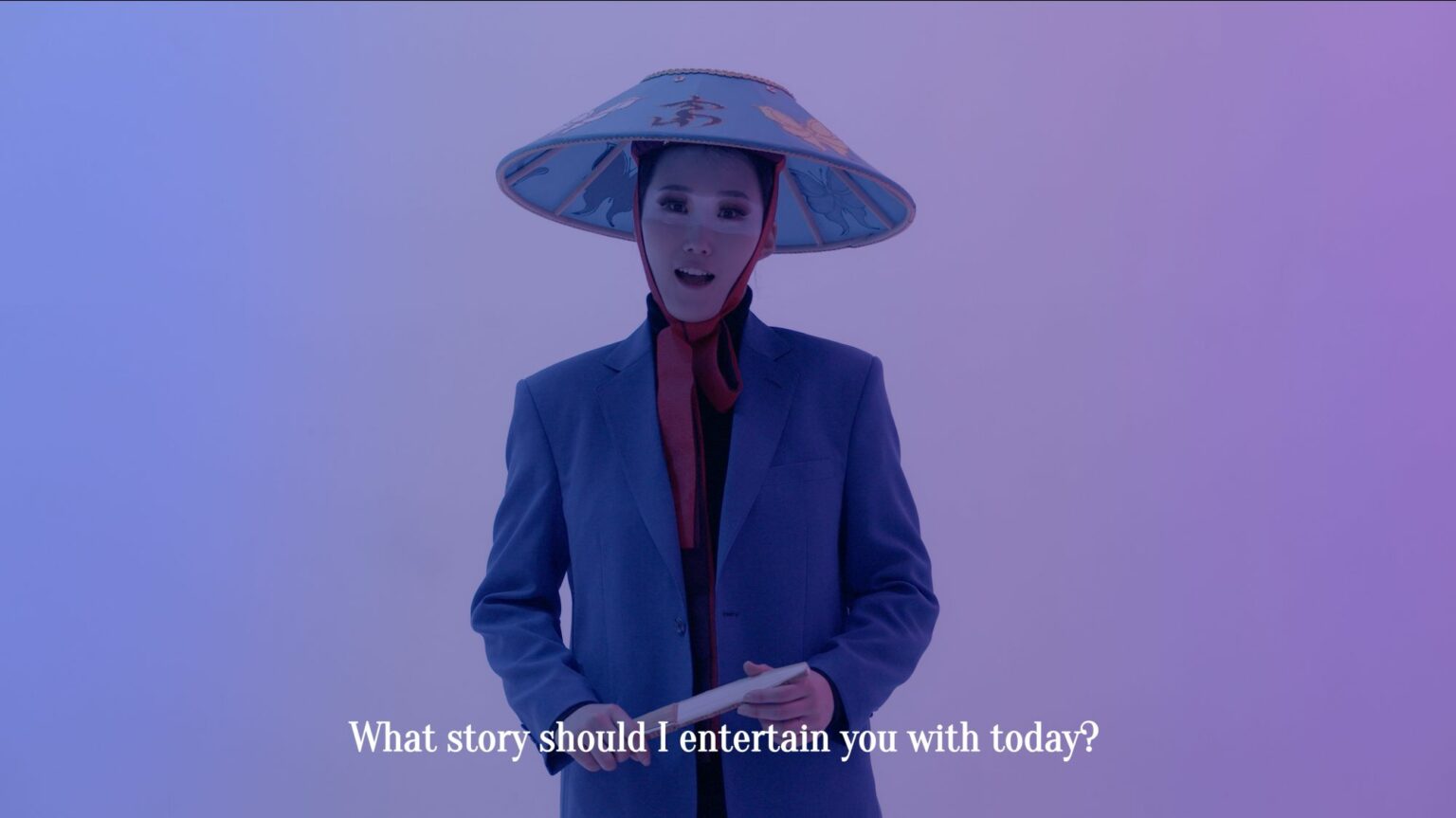
오작동하는 절망의 시동장치: '두 번 떨어진, 죽일 수 없는, 불온한 년'에 대하여
A Malfunctioning Apparatus of Despair: On the Double-Fallen, Indestructible, Subversive Bitch On Mooni Perry’s solo exhibition, ‘빈랑시스檳榔西施 Binlang Xishi’, CR Collective, 2021–2022
2000년대 K-드라마 서사에서 여성이 ‘잡초 같은’, ‘불지옥에나 떨어져야 할 년’으로 호명되는 경우는 적지 않다. 그녀들이 지은 ‘죄’, ‘더러움’을 씻는 것은 불가능하며, 강인한 생명력과 번식력으로 인해 불에 타 죽여야 한다고 주장된다. 동시에, 그녀들은 그들에게 닥칠 혹은 이미 닥친 복수의 불행, 그로 인한 극심한 고통, “[그녀들의] 마음을 지속적으로 송두리째 빼앗고, 말을 하거나 행동을 할 기력마저도, 살고 싶은 의욕마저도 잃어버리게 만드는 의사소통 불능의 고통”에도 개의치 않고 ‘씩씩하게’ ‘생기를 유지하며' 이를 견뎌내는 여성이다. 그녀들의 생기와 활력은 무참히 밟힌 잡초가 강해지는 것처럼, 불행의 연속에서 한층 강해지는 것처럼 보인다. [...] 그 ‘잡초 같은’ 여성 프로타고니스트들에 대한 나의 환멸은 우연적인 사건과 그들의 행복에서 연유하며, 그들을 ‘잡초’로 투영하는 자—주로 남성—의 증오는 지배할 수 없다는 공포심, 지배하고자 하는 욕망에 대한 유예일 뿐이다. 메아리치는 과거의 외상들에 갇혀 체념하지 못한 채, 그 프로타고니스트들의 ‘활력’을 관조하는 일은 무성생식된 복수 자매의 일원으로서 서로를 상실할 수 없다는 슬픔, 혹은 남성으로서 지배하거나 소유할 수 없다는 절망감을 증폭시킨다. 검은 태양을 바라보지 못하는 자매는 “상실의 보완물”로써 또 다른 자매를 발견할 수 없을 것이다. [...] 지금 이 환멸, 일련의 끔찍한 사건들, 별안간 삶에 등장하는 배반, 심신장애, 혹은 유령처럼 묶인 존재들은 우리의 일상적 불행의 목록 중 일부일 뿐이다.
A Malfunctioning Apparatus of Despair: On the Double-Fallen, Indestructible, Subversive Bitch On Mooni Perry’s solo exhibition, ‘빈랑시스檳榔西施 Binlang Xishi’, CR Collective, 2021–2022
2000년대 K-드라마 서사에서 여성이 ‘잡초 같은’, ‘불지옥에나 떨어져야 할 년’으로 호명되는 경우는 적지 않다. 그녀들이 지은 ‘죄’, ‘더러움’을 씻는 것은 불가능하며, 강인한 생명력과 번식력으로 인해 불에 타 죽여야 한다고 주장된다. 동시에, 그녀들은 그들에게 닥칠 혹은 이미 닥친 복수의 불행, 그로 인한 극심한 고통, “[그녀들의] 마음을 지속적으로 송두리째 빼앗고, 말을 하거나 행동을 할 기력마저도, 살고 싶은 의욕마저도 잃어버리게 만드는 의사소통 불능의 고통”에도 개의치 않고 ‘씩씩하게’ ‘생기를 유지하며' 이를 견뎌내는 여성이다. 그녀들의 생기와 활력은 무참히 밟힌 잡초가 강해지는 것처럼, 불행의 연속에서 한층 강해지는 것처럼 보인다. [...] 그 ‘잡초 같은’ 여성 프로타고니스트들에 대한 나의 환멸은 우연적인 사건과 그들의 행복에서 연유하며, 그들을 ‘잡초’로 투영하는 자—주로 남성—의 증오는 지배할 수 없다는 공포심, 지배하고자 하는 욕망에 대한 유예일 뿐이다. 메아리치는 과거의 외상들에 갇혀 체념하지 못한 채, 그 프로타고니스트들의 ‘활력’을 관조하는 일은 무성생식된 복수 자매의 일원으로서 서로를 상실할 수 없다는 슬픔, 혹은 남성으로서 지배하거나 소유할 수 없다는 절망감을 증폭시킨다. 검은 태양을 바라보지 못하는 자매는 “상실의 보완물”로써 또 다른 자매를 발견할 수 없을 것이다. [...] 지금 이 환멸, 일련의 끔찍한 사건들, 별안간 삶에 등장하는 배반, 심신장애, 혹은 유령처럼 묶인 존재들은 우리의 일상적 불행의 목록 중 일부일 뿐이다.
Essay
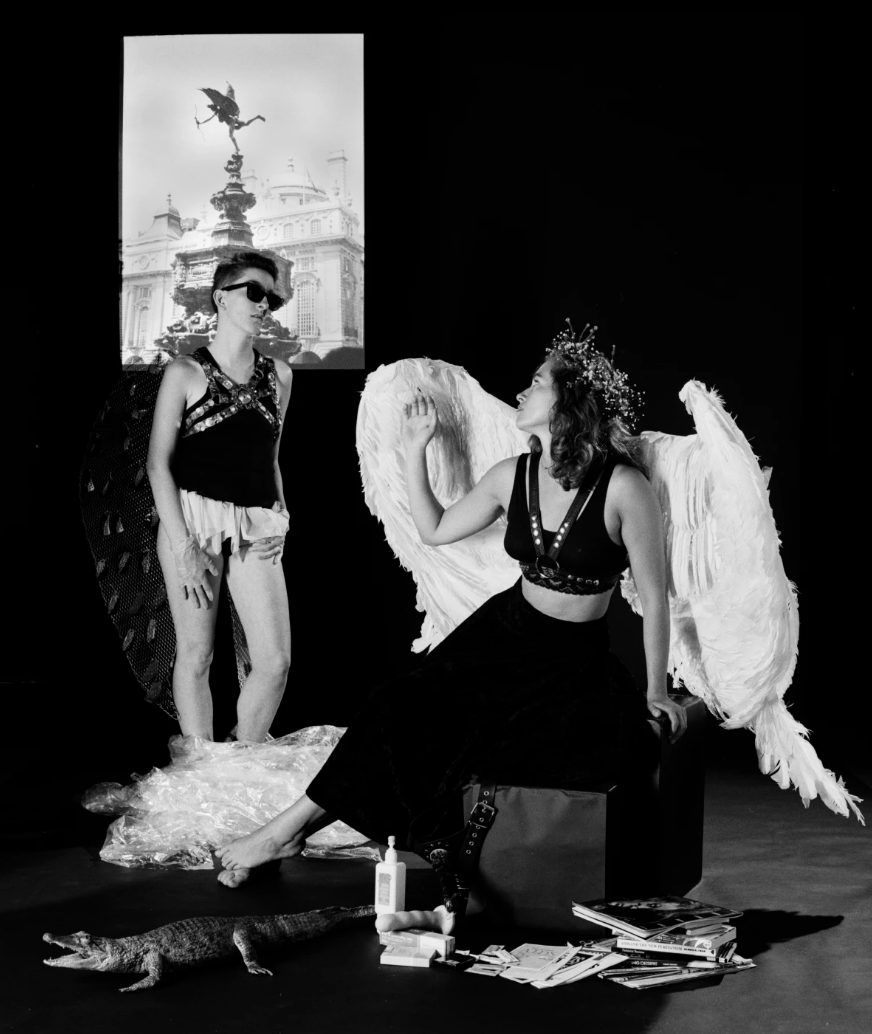
섹스, 우정 그리고 주권 Sex, Friendship, and Sovereignty
Commissioned auto-fiction writing for ‘Little Angels’, 2025
인터뷰어: 이어서 오늘은 다른 기억부터 시작할게요. 지난번에 2021년 크리스마스 무렵 그래놀라와 함께한 저녁에 대해 언급하셨습니다. 그날 가장 기억에 남는 것이 무엇인지 설명해 주시겠어요? / 아몬드: 아, 2021년 크리스마스. 기억에 남는 건 그 악명 높은 문이요. 사실 그 문에 대해 자주 생각해요. 우리는 한남동 한 바에서 만났는데요. 그 바는 크고 무거운 금속 문 뒤에 숨어 있었어요. 저는 그 문을 비집고 먼저 바 테이블에 자리를 잡고 앉아 있었고, 몇 분 후 그래놀라가 그 문을 밀고 들어왔어요. 만나자마자 그래놀라가 문이 자신을 시험하는 것 같았다고 말했어요. 만지기만 해도 차가운 기운이 느껴져 들어가기조차 꺼려지긴 했어요. 뭐, 농담이었지만 단순한 농담은 아니었어요. 문에는 항상 실존적인 질문이 있죠. 통과할 것인가, 아니면 이쪽에 머물 것인가? [...] 인터뷰어: 친밀함과 주권, 욕망과 일종의 거부감 사이에 긴장이 있다는 건가요? / 아몬드: 맞아요! 제 말은, 관계에서 정말 주권자가 될 수 있는 사람이 있을까요? 우리가 우리의 욕망, 상호작용, 심지어 우리 자신의 자기 인식까지 완전히 통제할 수 있다는 생각은 환상이라고… 계속 같은 말을 반복하고 있네요… 그 문은 제가 완전히 통제할 수 없다는 것을, 제가 망설이는 순간 이미 자율성이 무너져 내리고 있다는 것을. 사회는 우리에게 친밀감은 섹스와 같고 섹스는 성취감과 같다고 말합니다. 하지만 이 등식이 성립하지 않는다면 어떨까요? 그 문턱을 넘는다는 것이 친밀감을 나만의 방식으로 재정의해야 하는 공간에 발을 들여놓는 것을 의미한다면 어떨까요?
Commissioned auto-fiction writing for ‘Little Angels’, 2025
인터뷰어: 이어서 오늘은 다른 기억부터 시작할게요. 지난번에 2021년 크리스마스 무렵 그래놀라와 함께한 저녁에 대해 언급하셨습니다. 그날 가장 기억에 남는 것이 무엇인지 설명해 주시겠어요? / 아몬드: 아, 2021년 크리스마스. 기억에 남는 건 그 악명 높은 문이요. 사실 그 문에 대해 자주 생각해요. 우리는 한남동 한 바에서 만났는데요. 그 바는 크고 무거운 금속 문 뒤에 숨어 있었어요. 저는 그 문을 비집고 먼저 바 테이블에 자리를 잡고 앉아 있었고, 몇 분 후 그래놀라가 그 문을 밀고 들어왔어요. 만나자마자 그래놀라가 문이 자신을 시험하는 것 같았다고 말했어요. 만지기만 해도 차가운 기운이 느껴져 들어가기조차 꺼려지긴 했어요. 뭐, 농담이었지만 단순한 농담은 아니었어요. 문에는 항상 실존적인 질문이 있죠. 통과할 것인가, 아니면 이쪽에 머물 것인가? [...] 인터뷰어: 친밀함과 주권, 욕망과 일종의 거부감 사이에 긴장이 있다는 건가요? / 아몬드: 맞아요! 제 말은, 관계에서 정말 주권자가 될 수 있는 사람이 있을까요? 우리가 우리의 욕망, 상호작용, 심지어 우리 자신의 자기 인식까지 완전히 통제할 수 있다는 생각은 환상이라고… 계속 같은 말을 반복하고 있네요… 그 문은 제가 완전히 통제할 수 없다는 것을, 제가 망설이는 순간 이미 자율성이 무너져 내리고 있다는 것을. 사회는 우리에게 친밀감은 섹스와 같고 섹스는 성취감과 같다고 말합니다. 하지만 이 등식이 성립하지 않는다면 어떨까요? 그 문턱을 넘는다는 것이 친밀감을 나만의 방식으로 재정의해야 하는 공간에 발을 들여놓는 것을 의미한다면 어떨까요?

Sadness Ontology
Interview, Seoul Museum of Art, 2024
During the review process, it seemed like the jury wanted to categorize that sadness. They seemed to want me to transform my emotional experience into something socially digestible, like "sadness about public tragedy" or "sadness caused by systems." But my sadness was messy and unfiltered. It was just... sadness. Sadness doesn't fit neatly into defined boxes. So I was honest about that. I didn't try to 'reduce' sadness to political or social issues. I wanted to deal with sadness itself. I still remember one jury’s question about what kind of sadness it was: "Is this personal sadness? Or sadness about social tragedy?" I found that question strange and unnecessary. Sadness is just sadness. It remains unnamed, unexplained, just confused and unorganized emotion. To me, sadness can't be defined in a single language; it exists on a spectrum. We can talk about a 'point' on that spectrum, but we can't perfectly explain or categorize that emotion. [...] Sadness is like a default setting for me. It's an emotion that's always there in the background. People often view sadness negatively, talking about it as something to overcome, something that should transform into joy or something productive. But why? I don't view sadness negatively. It's just an emotion that exists. Something that's always there.
Interview, Seoul Museum of Art, 2024
During the review process, it seemed like the jury wanted to categorize that sadness. They seemed to want me to transform my emotional experience into something socially digestible, like "sadness about public tragedy" or "sadness caused by systems." But my sadness was messy and unfiltered. It was just... sadness. Sadness doesn't fit neatly into defined boxes. So I was honest about that. I didn't try to 'reduce' sadness to political or social issues. I wanted to deal with sadness itself. I still remember one jury’s question about what kind of sadness it was: "Is this personal sadness? Or sadness about social tragedy?" I found that question strange and unnecessary. Sadness is just sadness. It remains unnamed, unexplained, just confused and unorganized emotion. To me, sadness can't be defined in a single language; it exists on a spectrum. We can talk about a 'point' on that spectrum, but we can't perfectly explain or categorize that emotion. [...] Sadness is like a default setting for me. It's an emotion that's always there in the background. People often view sadness negatively, talking about it as something to overcome, something that should transform into joy or something productive. But why? I don't view sadness negatively. It's just an emotion that exists. Something that's always there.

Fractured Lenses
‘Convening the Untitleds’ Project Essay, Seoul Museum of Art, 2023–2024
In the space where you are standing is a constellation of nameless works. In this 'Untitled' area, there are four photographs, either dramatically magnified or minuscule—all aligned with the horizon. In this wilderness, standing at the same horizontal line, you may perceive only a fragment, or perhaps nothing comprehensible, of the four artworks on display. This is because there is no grand, universal standpoint from which the essence of all four pieces can be clearly identified or understood, nor can one apprehend the four visual enigmas at once. For example, to fully appreciate the large image that fills one wall, you need to distance yourself; up close, you'd only see the halftone dots that constitute it. On the other hand, if you're near the wall to examine a detailed image of a burning canvas on water, the larger image becomes a blur again. If you then step back to see the large image from a distance, the image of the burning canvas becomes a mere blotch of red. In order to fully appreciate the four unnamed works, our viewpoint must be as shattered as a 'fractured lens,' recognizing that no single piece of knowledge or interpretation is absolute in itself.
‘Convening the Untitleds’ Project Essay, Seoul Museum of Art, 2023–2024
In the space where you are standing is a constellation of nameless works. In this 'Untitled' area, there are four photographs, either dramatically magnified or minuscule—all aligned with the horizon. In this wilderness, standing at the same horizontal line, you may perceive only a fragment, or perhaps nothing comprehensible, of the four artworks on display. This is because there is no grand, universal standpoint from which the essence of all four pieces can be clearly identified or understood, nor can one apprehend the four visual enigmas at once. For example, to fully appreciate the large image that fills one wall, you need to distance yourself; up close, you'd only see the halftone dots that constitute it. On the other hand, if you're near the wall to examine a detailed image of a burning canvas on water, the larger image becomes a blur again. If you then step back to see the large image from a distance, the image of the burning canvas becomes a mere blotch of red. In order to fully appreciate the four unnamed works, our viewpoint must be as shattered as a 'fractured lens,' recognizing that no single piece of knowledge or interpretation is absolute in itself.
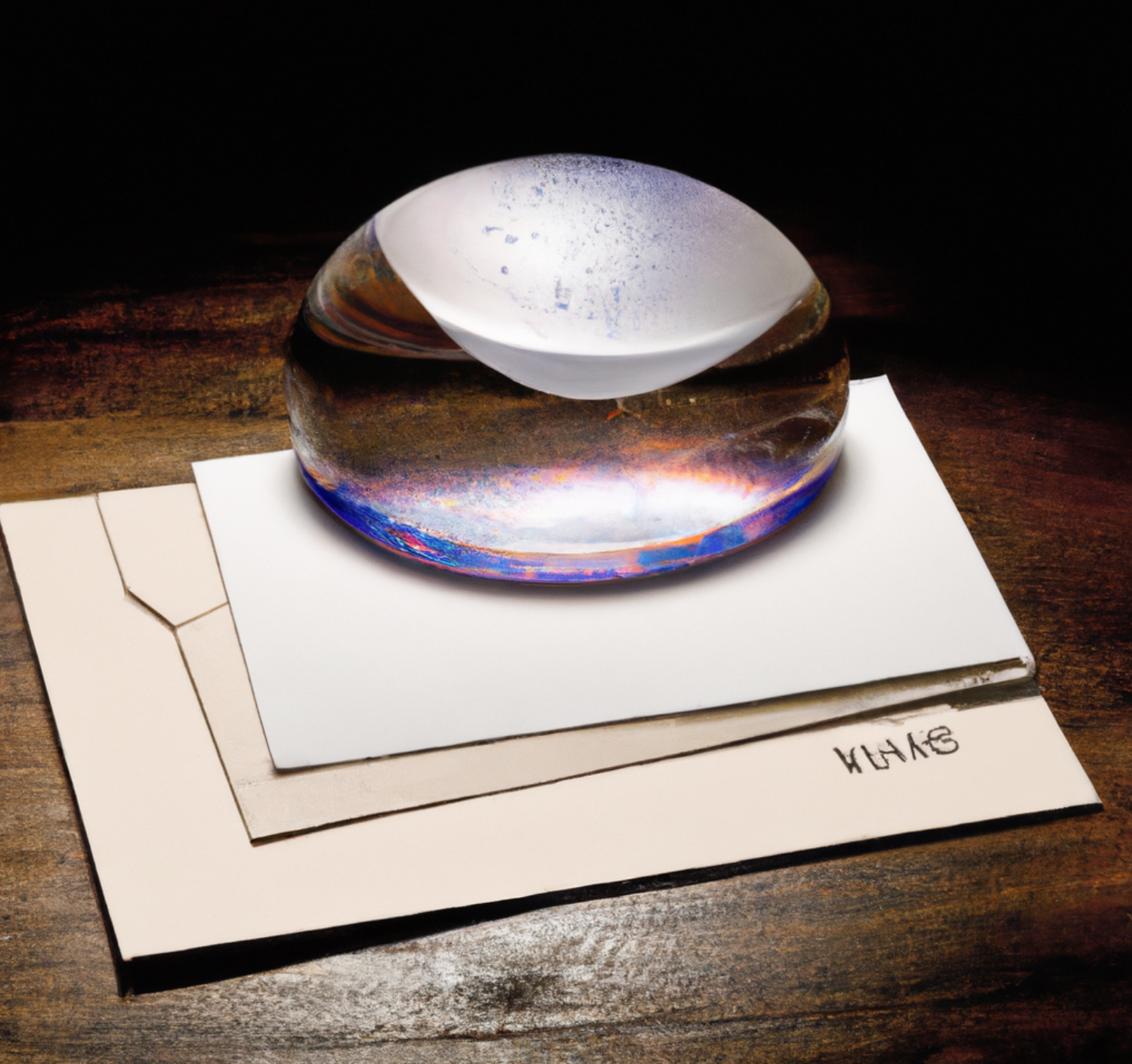
Tangled and Blurred Words, Fragmented and Scattered Thoughts
Experimental writing with AI, Forkingroom 2023, Adrenaline Prompt, Post Territory Ujeongguk, 2023
Welcome, dear visitor! / Your arrival here suggests a curiosity not sated by the label on the work, one that doesn't quite conform to the standard institutional style that fully provides the information about the presented work. This deviation isn't by accident, but by design. My intention wasn't to draw focus towards the mechanics of how the text was written using AI prompts, but rather to show how the words can stir emotions, evoke feelings and prompt us to question the very essence of writing. However, seeing as you've taken the time to find my Instagram account and click the link to understand the process, I owe you an explanation, albeit a vaguely outlined one. It would be a long explanation, mirroring a journey that's far from over, even though the texts you see in the exhibition are fragmented and quite short.
Experimental writing with AI, Forkingroom 2023, Adrenaline Prompt, Post Territory Ujeongguk, 2023
Welcome, dear visitor! / Your arrival here suggests a curiosity not sated by the label on the work, one that doesn't quite conform to the standard institutional style that fully provides the information about the presented work. This deviation isn't by accident, but by design. My intention wasn't to draw focus towards the mechanics of how the text was written using AI prompts, but rather to show how the words can stir emotions, evoke feelings and prompt us to question the very essence of writing. However, seeing as you've taken the time to find my Instagram account and click the link to understand the process, I owe you an explanation, albeit a vaguely outlined one. It would be a long explanation, mirroring a journey that's far from over, even though the texts you see in the exhibition are fragmented and quite short.
Exhibition Texts
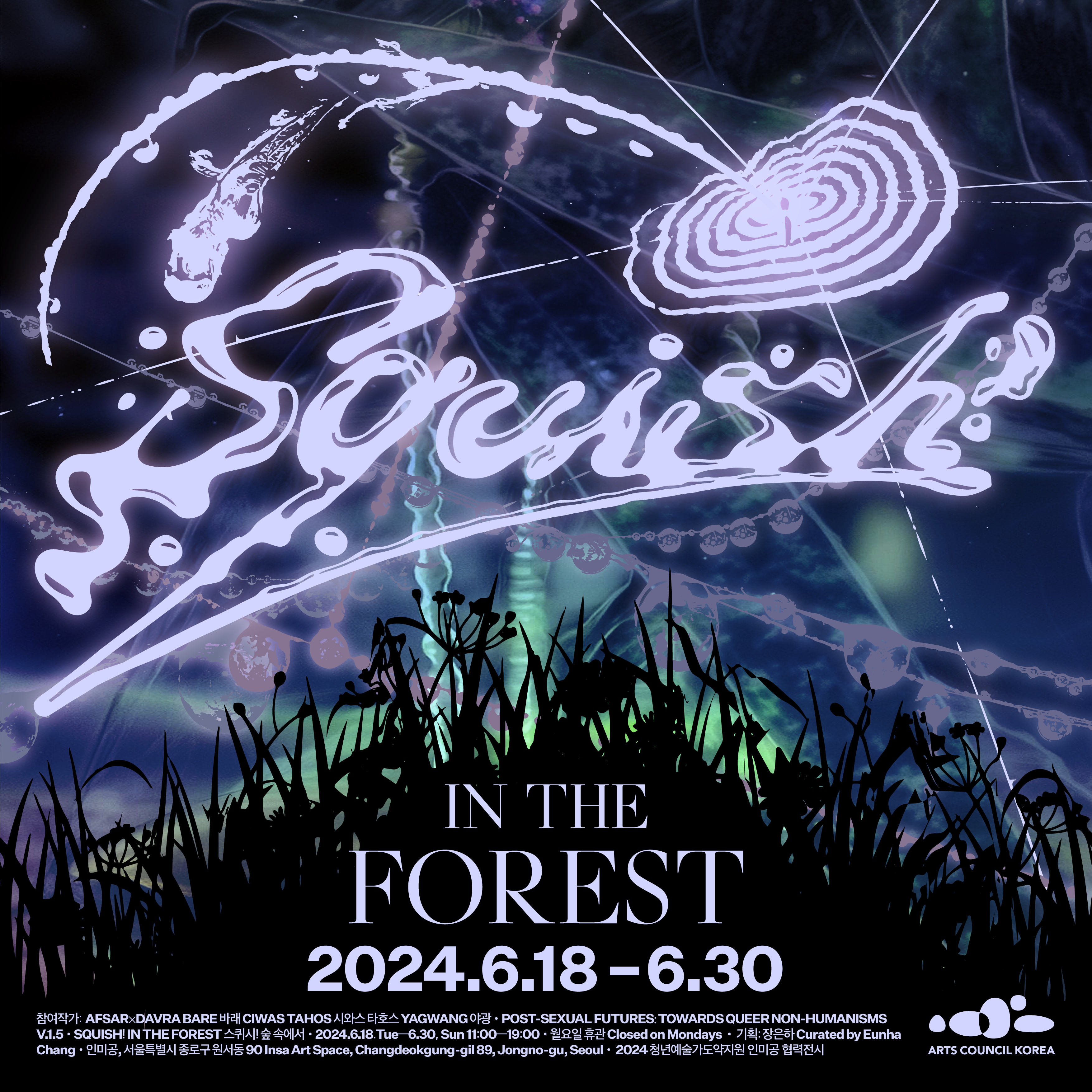
Squish! In the Forest
Exhibition Catalogue, Insa Art Space, 2024
Exhibition Catalogue, Insa Art Space, 2024
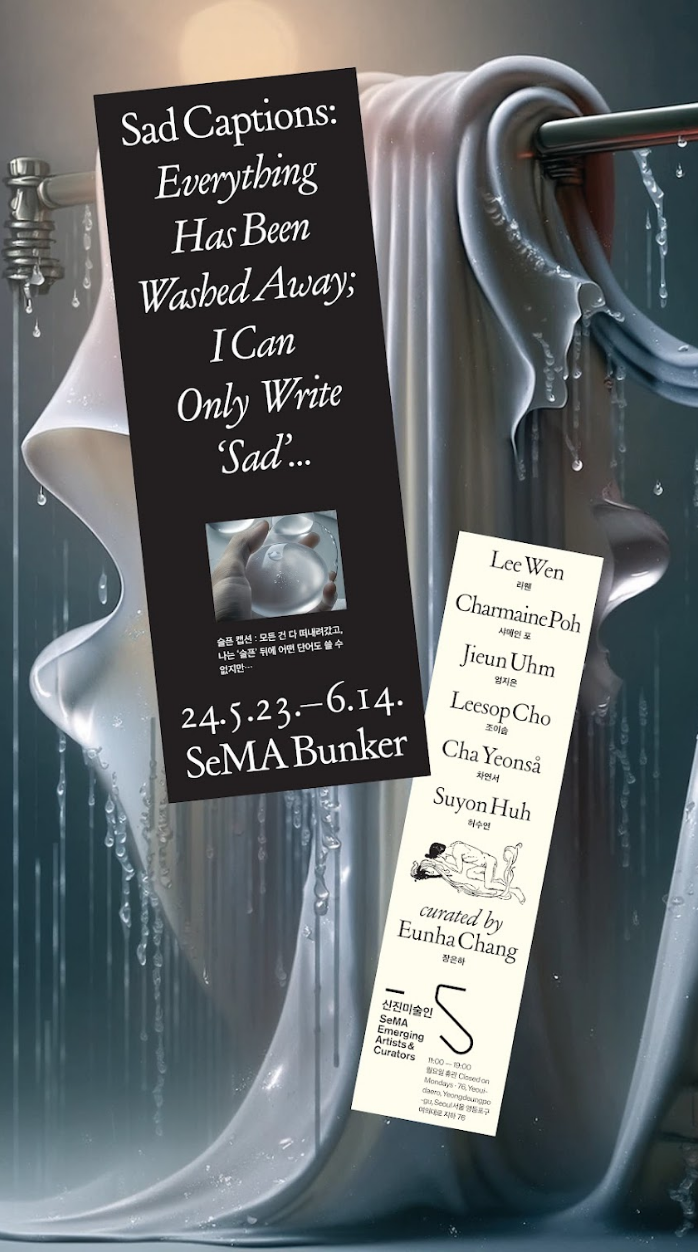
Sad Captions: Everything Has Been Washed Away; I Can Only Write ‘Sad’...
Exhibition Catalogue, Seoul Museum of Art, 2024
Exhibition Catalogue, Seoul Museum of Art, 2024
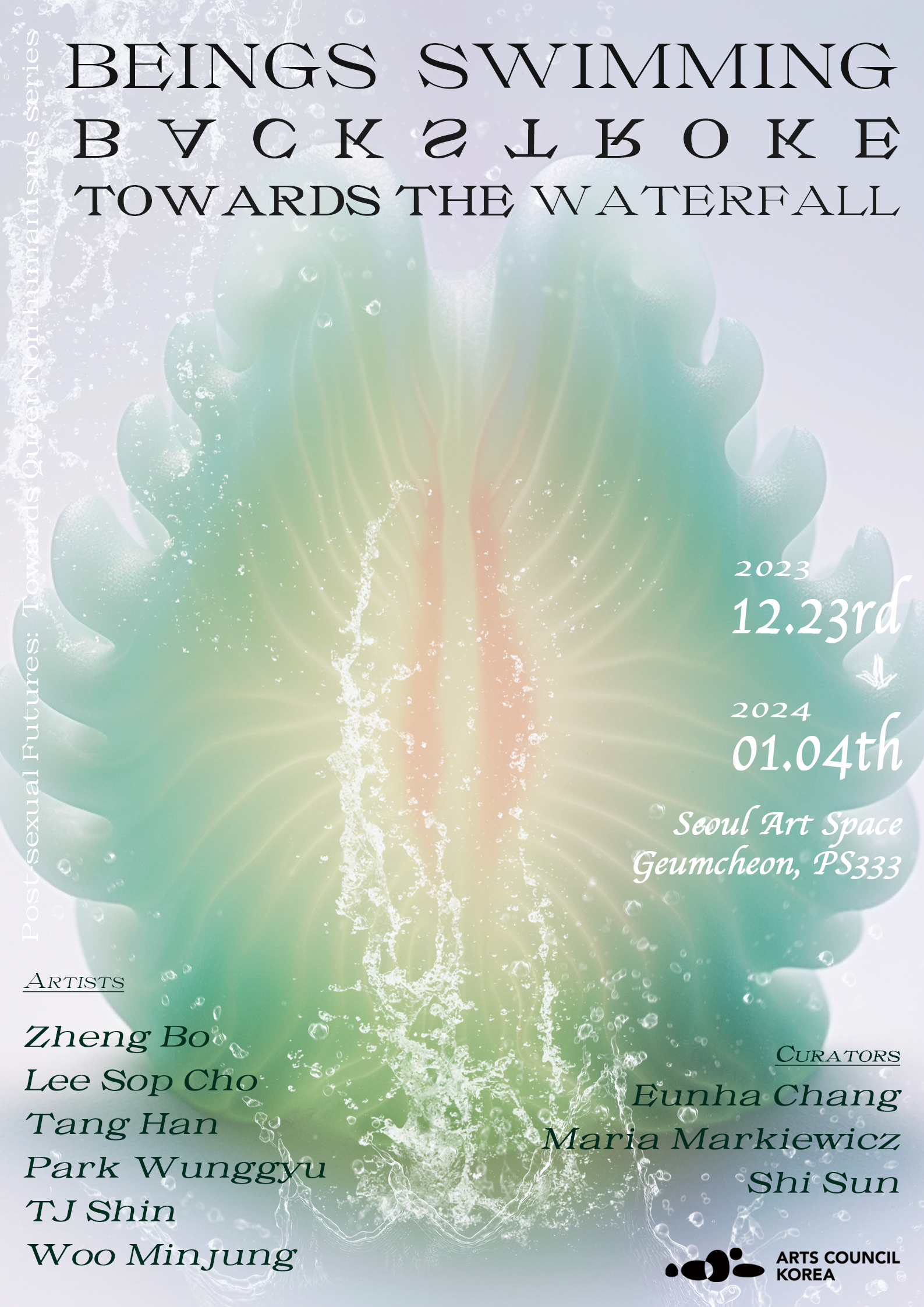
Beings Swimming Backstroke Towards the Waterfall
Exhibition Catalogue, PS333, 2023–2024
Exhibition Catalogue, PS333, 2023–2024
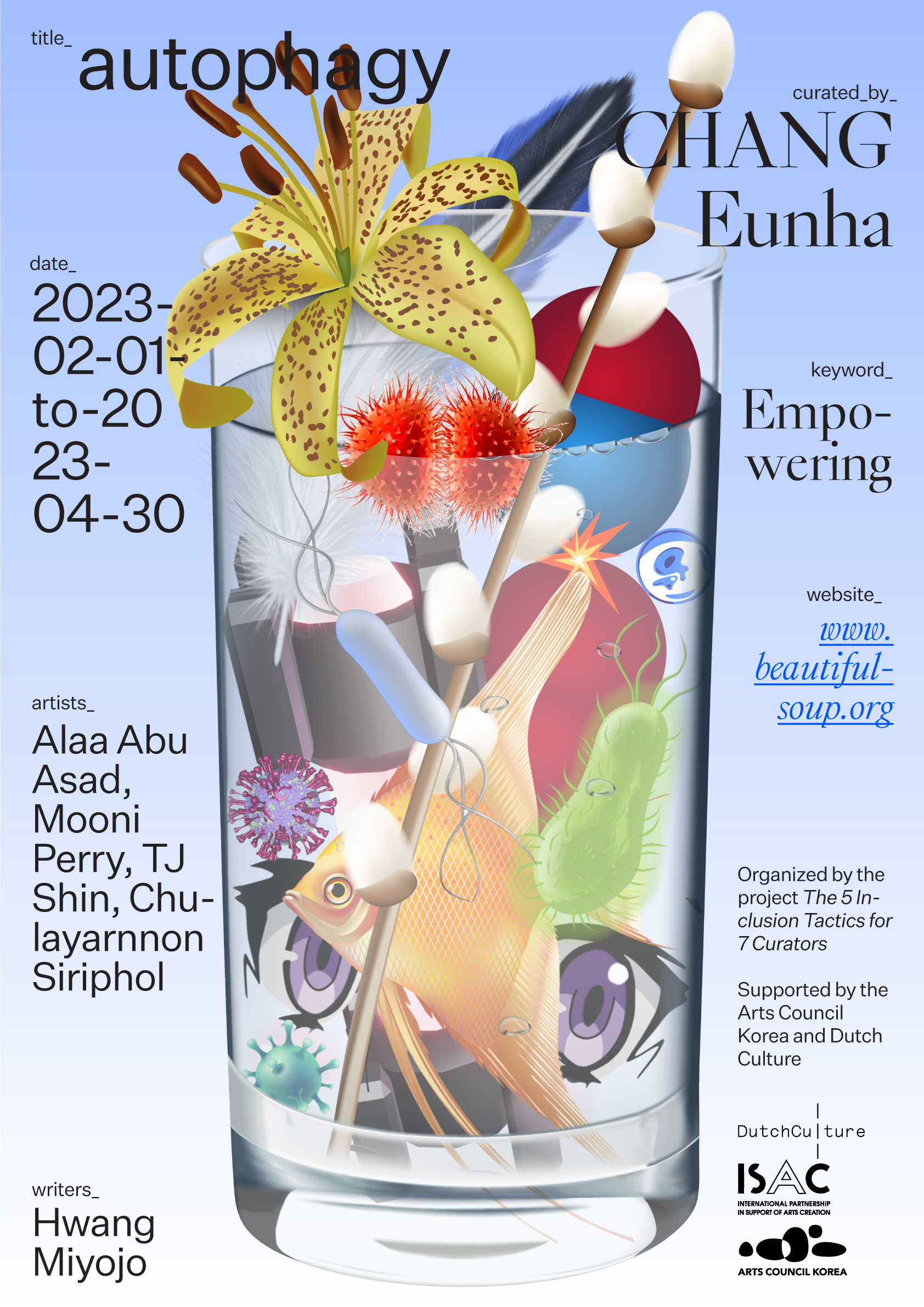
Autophagy: Eating in Its Destructive and Creative Nature
Curatorial Statement, 2022–2023
Curatorial Statement, 2022–2023

Portal, Teleportation
Exhibition Catalogue, 2021
Exhibition Catalogue, 2021
Full texts available upon request.